
Running an electronics repair business can be both rewarding and challenging. Whether you operate a mobile repair shop, computer servicing center, TV repair service, or home appliance maintenance business, managing day-to-day operations already requires significant time and effort. From diagnosing technical issues to handling customer requests and sourcing spare parts, electronics technicians often focus heavily on the operational side of their business.
However, one crucial area that many electronics repair business owners struggle with is tax management. Taxes,
, VAT registration, and financial compliance can quickly become overwhelming if not handled correctly. Without proper financial planning and tax management, business owners may face penalties, cash flow issues, or unnecessary tax payments.
Efficient tax management helps electronics repair businesses stay compliant, reduce financial stress, and focus on delivering high-quality services to customers. In this guide, we will explore how electronics repair businesses can manage taxes effectively and improve their financial stability.
Understanding Electronics Repair Businesses
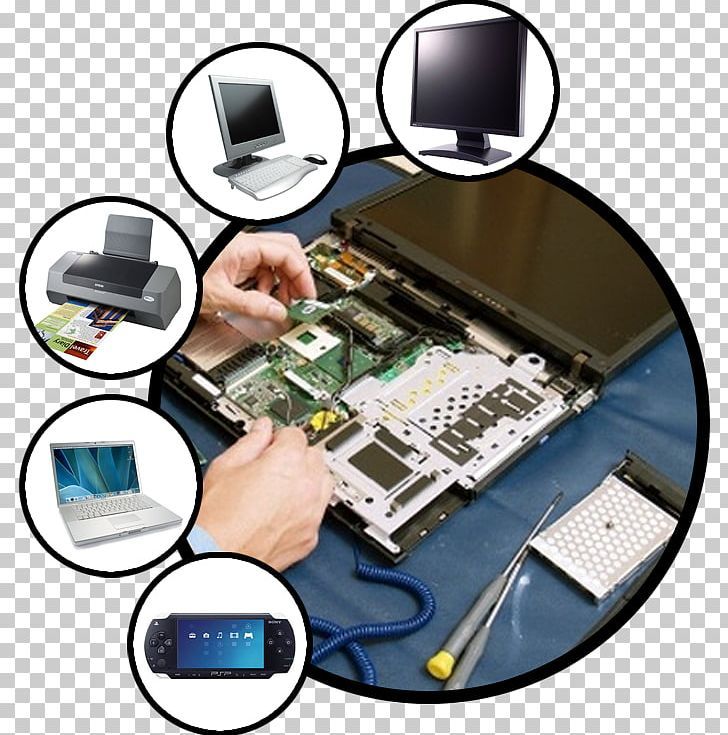
Electronics repair businesses are typically classified as small service businesses. These businesses provide technical repair and maintenance services for electronic devices and appliances. Common examples include:
- Mobile phone repair shops
- Laptop and computer servicing businesses
- Television repair services
- Air conditioner repair and maintenance
- Home appliance repair businesses
Most electronics repair businesses start small. Many technicians begin as freelancers or operate from a small workshop or retail shop. Over time, as customer demand grows, these businesses may expand by hiring technicians or opening additional locations.
Despite their technical expertise, many electronics repair business owners lack knowledge about financial management and tax compliance Electronics Repair Business Tax Services Smart Accounting Solutions for Technicians., which can create challenges in the long run.
Why Tax Management Matters for Electronics Repair Businesses
Tax management plays a critical role in maintaining a healthy business. Proper tax planning ensures that businesses:
- Stay compliant with government tax regulations
- Avoid penalties and legal complications
- Maintain accurate financial records
- Reduce unnecessary tax liabilities
- Improve overall financial stability
For electronics repair businesses,  , tax management is particularly important because income can vary month to month depending on customer demand and seasonal repair needs.
Without proper tax planning, business owners may find themselves struggling to pay taxes during filing periods.
Common Tax Challenges for Electronics Repair Businesses
Many electronics repair businesses face similar tax related problems. Understanding these challenges is the first step toward managing taxes more efficiently.
1. Poor Record Keeping
One of the most common problems among small service businesses is poor record keeping. Electronics repair shops handle multiple small transactions every day, such as repair charges, spare parts purchases, and service fees.
If these transactions are not properly recorded, it becomes difficult to calculate profits, expenses, and tax obligations accurately.
2. Mixing Personal and Business Finances
Many small business owners use the same bank account for personal and business expenses. This makes it extremely difficult to track business income and calculate taxes correctly.
Separating personal and business finances is essential for accurate bookkeeping.
3. VAT Registration Confusion
When a business reaches a certain turnover threshold, it may need to register for VAT. However, many electronics repair businesses are unsure when VAT registration becomes necessary or how to file VAT returns correctly.
Failure to register or file VAT returns on time can lead to financial penalties.
4. Missing Tax Deadlines
Small business owners often focus on operations and customer service, which may cause them to overlook important tax deadlines. Missing tax deadlines can result in fines and interest charges.
5. Lack of Tax Planning
Many electronics repair businesses only think about taxes when filing deadlines approach. Without proactive tax planning, businesses may end up paying more tax than necessary.
Efficient Tax Strategies for Electronics Repair Businesses
To manage taxes efficiently, electronics repair businesses should implement several financial strategies.
Maintain Accurate Financial Records
Accurate financial records are the foundation of effective tax management. Every transaction, including repair charges, parts purchases, employee wages, and operational expenses, should be documented.
Good bookkeeping practices help business owners:
- Track income and expenses
- Identify profitable services
- Prepare tax returns easily
- Avoid financial errors
Using accounting software can simplify this process and reduce the risk of mistakes.
Separate Business and Personal Finances
Opening a dedicated business bank account is one of the most important steps in managing taxes efficiently. A separate business account ensures that all business transactions are recorded clearly.
This makes it easier to:
- Track profits and expenses
- Prepare financial reports
- Provide accurate records during tax audits
Track All Business Expenses
Electronics repair businesses often have various expenses that may qualify for tax deductions. These expenses can include:
- Spare parts and components
- Repair tools and equipment
- Shop rent
- Electricity and utilities
- Employee wages
- Marketing and advertising
Tracking these expenses accurately can help reduce taxable income and lower overall tax liability.
Understand VAT Requirements
If your electronics repair business exceeds the VAT threshold, you must register for VAT and submit regular returns.
Proper VAT management ensures that:
- VAT is collected correctly from customers
- VAT returns are filed on time
- Businesses remain compliant with tax regulations
Working with an accountant can make VAT compliance much easier.
Plan for Taxes Throughout the Year
Instead of waiting until the tax deadline, businesses should set aside a portion of their monthly income for taxes.
This approach helps prevent financial stress during tax season and ensures that funds are available when tax payments are due.
Benefits of Professional Tax Support
While some small businesses manage taxes independently, many electronics repair businesses benefit from professional accounting support.
Professional tax services provide several advantages:
Accurate Financial Reporting
Accountants ensure that financial statements and tax returns are prepared accurately.
Time Savings
Business owners can focus on repairs and customer service rather than paperwork.
Tax Savings
Experienced tax professionals can identify deductions and tax relief opportunities that business owners might overlook.
Reduced Risk of Penalties
Professional support helps businesses meet all tax deadlines and compliance requirements.
Improving Financial Management in Electronics Repair Businesses
Tax management is closely linked to overall financial management. Businesses that manage their finances effectively are more likely to grow and succeed.
Key practices for better financial management include:
- Monitoring monthly revenue and expenses
- Maintaining organized financial records
- Setting clear financial goals
- Reviewing financial performance regularly
By improving financial management, electronics repair businesses can make smarter decisions about pricing, staffing, and expansion.
Building a Sustainable Electronics Repair Business
Running a successful electronics repair business requires more than technical expertise. Business owners must also develop strong financial and management skills.
Efficient tax management contributes to long-term sustainability by ensuring that businesses remain compliant, financially stable, and prepared for growth opportunities.
By implementing proper bookkeeping practices, understanding tax obligations, and seeking professional guidance when needed, electronics repair businesses can operate more efficiently and reduce financial risks.
Conclusion
Electronics repair businesses play an important role in modern communities by providing essential repair and maintenance services for devices and appliances. However, managing taxes effectively is crucial for maintaining a healthy and profitable business.
By keeping accurate financial records, separating business finances, understanding VAT requirements, and planning taxes throughout the year, electronics repair business owners can manage their tax responsibilities more efficiently.
For many businesses, working with professional tax experts can provide valuable support and ensure compliance with tax regulations.
With the right financial strategies in place, electronics repair businesses can focus on what they do best delivering reliable repair services while building a strong and sustainable business.