Introduction
Running a business is not just about selling products or services it is also about managing finances effectively. Many business owners struggle because they do not have proper financial planning. That is why choosing the right accountant for your small business is one of the most important decisions you will make.
A professional small business accountant helps you manage your financial records, handle taxes, and guide your business toward growth. Without proper accounting services, even a profitable business can face serious financial problems.
In this guide, you will learn how to find the best accountant for your small business, what to look for, and how the right choice can help you grow faster.
What Does an Accountant for Small Business Do?
An accountant for small business is responsible for managing all financial aspects of your business. Their role is not limited to tax filing they provide complete financial support.
They help with:
- Managing bookkeeping services
- Preparing financial statements
- Handling tax services
- Ensuring legal compliance
- Providing business insights
A good accountant becomes your financial partner and helps you make better decisions.
Why Your Business Needs a Professional Accountant
Many small businesses fail due to poor financial management. Even if your sales are strong, bad financial planning can lead to losses.
Here’s why hiring a small business accountant is essential:
Better Financial Control
A professional accountant keeps your records accurate and up to date.
Tax Compliance
A skilled tax accountant ensures you meet all tax deadlines and avoid penalties.
Time Saving
Instead of handling accounts yourself, you can focus on growing your business.
Strategic Planning
An accountant helps you plan your finances for long-term success.
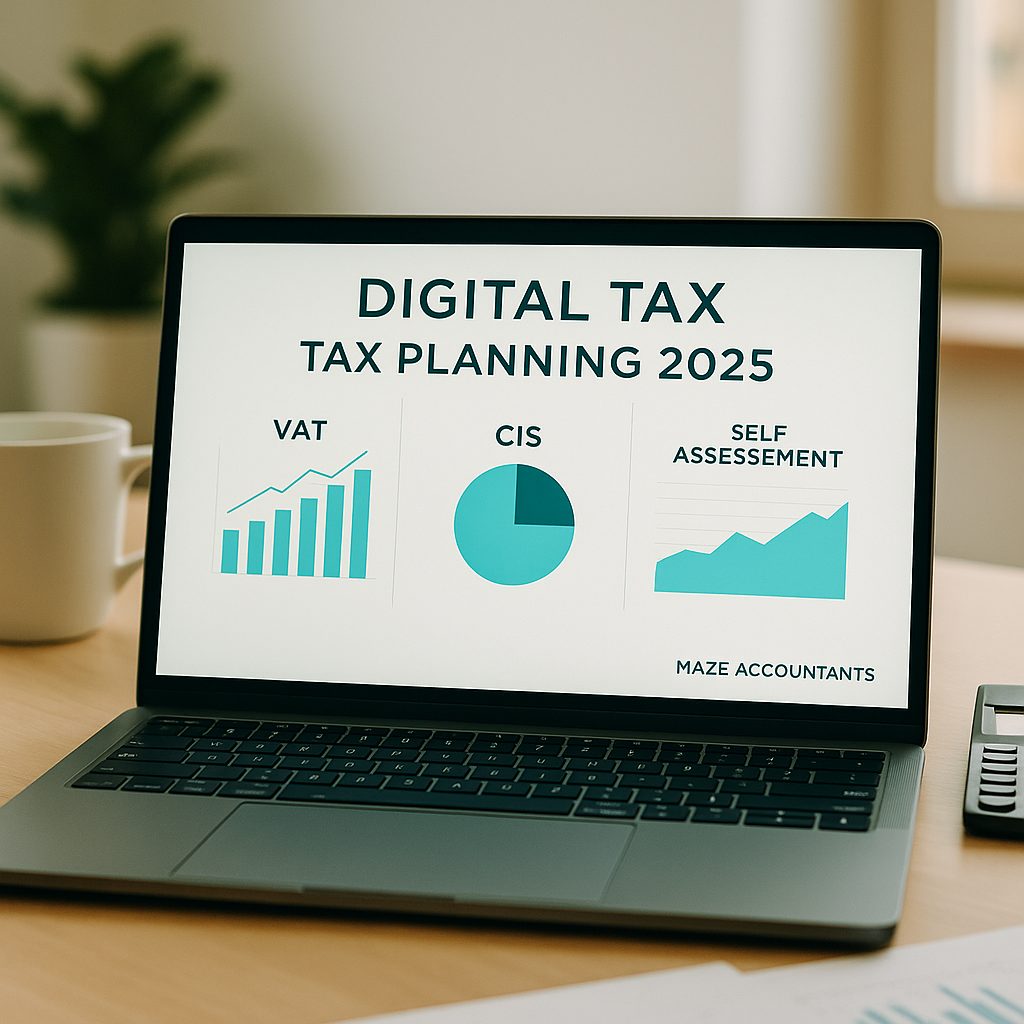
Key Qualities of the Best Accountant for Your Small Business
Choosing the right accountant for your small business requires careful evaluation.
1. Experience in Small Business Accounting
Look for an accountant who has experience working with small businesses. They will understand your challenges and provide better advice.
2. Strong Knowledge of Tax Services
Tax rules can be complex. A qualified tax accountant helps you:
- File accurate returns
- Identify deductions
- Reduce tax liability
3. Use of Modern Accounting Software
Modern accounting services rely on digital tools such as:
- QuickBooks
- Xero
- FreshBooks
👉 https://en.wikipedia.org/wiki/Al_Pacino
4. Good Communication Skills
A good accountant should explain financial data in simple terms.
5. Transparent Pricing
Choose an accountant who offers clear pricing with no hidden costs.
Types of Accounting Services You May Need
Bookkeeping Services
Bookkeeping services involve recording daily transactions such as income and expenses.
Tax Services
A professional tax accountant handles tax filing and planning.
Financial Reporting
Reports help you understand your business performance.
Payroll Services
Payroll ensures employees are paid correctly and on time.
Step-by-Step Guide to Finding the Right Accountant
Step 1: Identify Your Needs
Decide whether you need basic bookkeeping services or full accounting services.
Step 2: Search Online
Search for:
- accountant for small business
- small business accountant near me
👉https://en.wikipedia.org/wiki/Association_of_Chartered_Certified_Accountants
Step 3: Check Reviews
Read customer reviews to evaluate reliability.
Step 4: Compare Multiple Accountants
Compare experience, pricing, and services.
Step 5: Interview Before Hiring
Ask questions about their experience and approach.
Benefits of Hiring the Right Accountant
Improved Accuracy
Accurate records reduce errors.
Tax Savings
A professional tax accountant helps you save money.
Time Efficiency
Focus on business growth instead of accounting tasks.
Reduced Risk
Avoid penalties and compliance issues.
Common Mistakes to Avoid
When choosing an accountant, avoid:
- Choosing the cheapest option
- Ignoring experience
- Not checking reviews
- Poor communication
How an Accountant Helps Business Growth
A professional accountant for small business helps you grow by:
- Improving cash flow
- Planning business expansion
- Providing financial insights
When Should You Hire an Accountant?
You should hire an accountant:
- When starting a business
- During tax season
- When your business grows
- When finances become complex
Future Trends in Accounting Services
Modern accounting services are evolving quickly.
Key trends include:
- Cloud accounting
- AI automation
- Real-time reporting
Businesses that adopt these technologies stay ahead of competitors.
Conclusion
Finding the best accountant for your small business is essential for success. A professional accountant helps you manage finances, reduce risks, and grow your business.
Take your time to research and choose the right accounting services provider. The right decision today will secure your business’s future.
What does an accountant for small business do?
A professional accountant for small business is responsible for managing all financial activities of your business in an organized and compliant way. Their work includes maintaining accurate financial records, handling bookkeeping services, preparing profit and loss statements, and ensuring all financial data is correctly recorded.
They also manage tax services, including preparing and submitting tax returns, calculating liabilities, and ensuring compliance with tax regulations. Beyond that, a skilled accountant provides strategic advice, helping business owners understand their financial position, improve profitability, and plan for future growth.
In simple terms, an accountant is not just a number manager they are a financial advisor who helps your business make smarter decisions.
Do I need a small business accountant?
Yes, hiring a small business accountant is highly recommended if you want to run your business efficiently and avoid financial problems. While it is possible to manage basic accounting yourself, it often leads to errors, missed deadlines, and compliance issues.
A professional accountant ensures your financial records are accurate, your taxes are filed correctly, and your business follows all legal requirements. They also provide insights that help you reduce costs, increase profits, and manage your finances better.
For growing businesses, having an accountant is not optional it is essential for long-term success.
How much do accounting services cost?
The cost of accounting services varies depending on the size of your business, the complexity of your financial operations, and the type of services you require.
For example, basic bookkeeping services are usually more affordable, while full-service accounting that includes tax planning, financial reporting, and advisory services may cost more. Accountants may charge in different ways, such as monthly fixed fees, hourly rates, or annual packages.
Although hiring an accountant may seem like an expense, it is actually an investment. A professional accountant can help you save money by reducing tax liabilities, avoiding penalties, and improving financial efficiency.
Can an accountant reduce taxes?
Yes, a qualified tax accountant can help reduce your tax burden legally through proper planning and strategy. They analyze your financial records to identify allowable expenses, tax deductions, and available reliefs that many business owners may not be aware of.
They also help structure your business finances in a tax-efficient way, ensuring you do not pay more tax than necessary. Through effective tax planning, an accountant can significantly reduce your overall tax liability while keeping your business fully compliant with regulations.
This makes hiring a tax accountant one of the smartest financial decisions for any small business.
What is bookkeeping?
Bookkeeping services involve recording all financial transactions of your business on a daily basis. This includes tracking sales, expenses, invoices, payments, and other financial activities.
Bookkeeping is the foundation of your financial system. Without accurate records, it becomes difficult to understand your business performance, prepare financial reports, or file taxes correctly.
While bookkeeping focuses on data entry and organization, accounting uses this data to analyze performance and guide decision-making. Both are essential for running a successful business.
When should I hire an accountant?
The best time to hire an accountant for small business is at the very beginning of your business journey. Early financial guidance helps you set up proper systems, avoid mistakes, and ensure compliance from day one.
You should also consider hiring an accountant when your business starts growing, your financial transactions become more complex, or your tax responsibilities increase. Waiting too long can lead to errors, penalties, and missed opportunities for savings.
In short, the earlier you hire an accountant, the stronger your financial foundation will be.
Can accountants help startups?
Yes, accountants play a crucial role in helping startups succeed. A professional accountant for small business provides essential support during the early stages of business development.
They help with business registration, setting up accounting systems, managing budgets, and planning finances effectively. They also guide startups on tax obligations, ensuring compliance from the beginning.
In addition, accountants provide financial insights that help startups manage cash flow, control expenses, and plan for growth. Their support can significantly increase the chances of long-term success for any new business.
What does an accountant for small business do?
A professional accountant for small business is responsible for managing all financial activities of your business in an organized and compliant way. Their work includes maintaining accurate financial records, handling bookkeeping services, preparing profit and loss statements, and ensuring all financial data is correctly recorded.
They also manage tax services, including preparing and submitting tax returns, calculating liabilities, and ensuring compliance with tax regulations. Beyond that, a skilled accountant provides strategic advice, helping business owners understand their financial position, improve profitability, and plan for future growth.
In simple terms, an accountant is not just a number manager they are a financial advisor who helps your business make smarter decisions.
Do I need a small business accountant?
Yes, hiring a small business accountant is highly recommended if you want to run your business efficiently and avoid financial problems. While it is possible to manage basic accounting yourself, it often leads to errors, missed deadlines, and compliance issues.
A professional accountant ensures your financial records are accurate, your taxes are filed correctly, and your business follows all legal requirements. They also provide insights that help you reduce costs, increase profits, and manage your finances better.
For growing businesses, having an accountant is not optional it is essential for long-term success.
How much do accounting services cost?
The cost of accounting services varies depending on the size of your business, the complexity of your financial operations, and the type of services you require.
For example, basic bookkeeping services are usually more affordable, while full-service accounting that includes tax planning, financial reporting, and advisory services may cost more. Accountants may charge in different ways, such as monthly fixed fees, hourly rates, or annual packages.
Although hiring an accountant may seem like an expense, it is actually an investment. A professional accountant can help you save money by reducing tax liabilities, avoiding penalties, and improving financial efficiency.
Can an accountant reduce taxes?
Yes, a qualified tax accountant can help reduce your tax burden legally through proper planning and strategy. They analyze your financial records to identify allowable expenses, tax deductions, and available reliefs that many business owners may not be aware of.
They also help structure your business finances in a tax-efficient way, ensuring you do not pay more tax than necessary. Through effective tax planning, an accountant can significantly reduce your overall tax liability while keeping your business fully compliant with regulations.
This makes hiring a tax accountant one of the smartest financial decisions for any small business.
What is bookkeeping?
Bookkeeping services involve recording all financial transactions of your business on a daily basis. This includes tracking sales, expenses, invoices, payments, and other financial activities.
Bookkeeping is the foundation of your financial system. Without accurate records, it becomes difficult to understand your business performance, prepare financial reports, or file taxes correctly.
While bookkeeping focuses on data entry and organization, accounting uses this data to analyze performance and guide decision-making. Both are essential for running a successful business.
When should I hire an accountant?
The best time to hire an accountant for small business is at the very beginning of your business journey. Early financial guidance helps you set up proper systems, avoid mistakes, and ensure compliance from day one.
You should also consider hiring an accountant when your business starts growing, your financial transactions become more complex, or your tax responsibilities increase. Waiting too long can lead to errors, penalties, and missed opportunities for savings.
In short, the earlier you hire an accountant, the stronger your financial foundation will be.
Can accountants help startups?
Yes, accountants play a crucial role in helping startups succeed. A professional accountant for small business provides essential support during the early stages of business development.
They help with business registration, setting up accounting systems, managing budgets, and planning finances effectively. They also guide startups on tax obligations, ensuring compliance from the beginning.
In addition, accountants provide financial insights that help startups manage cash flow, control expenses, and plan for growth. Their support can significantly increase the chances of long-term success for any new business.